U.S. Focus Shifts to Middle East: Taiwan's Challenges
China Times Editorial, March 2, 2026
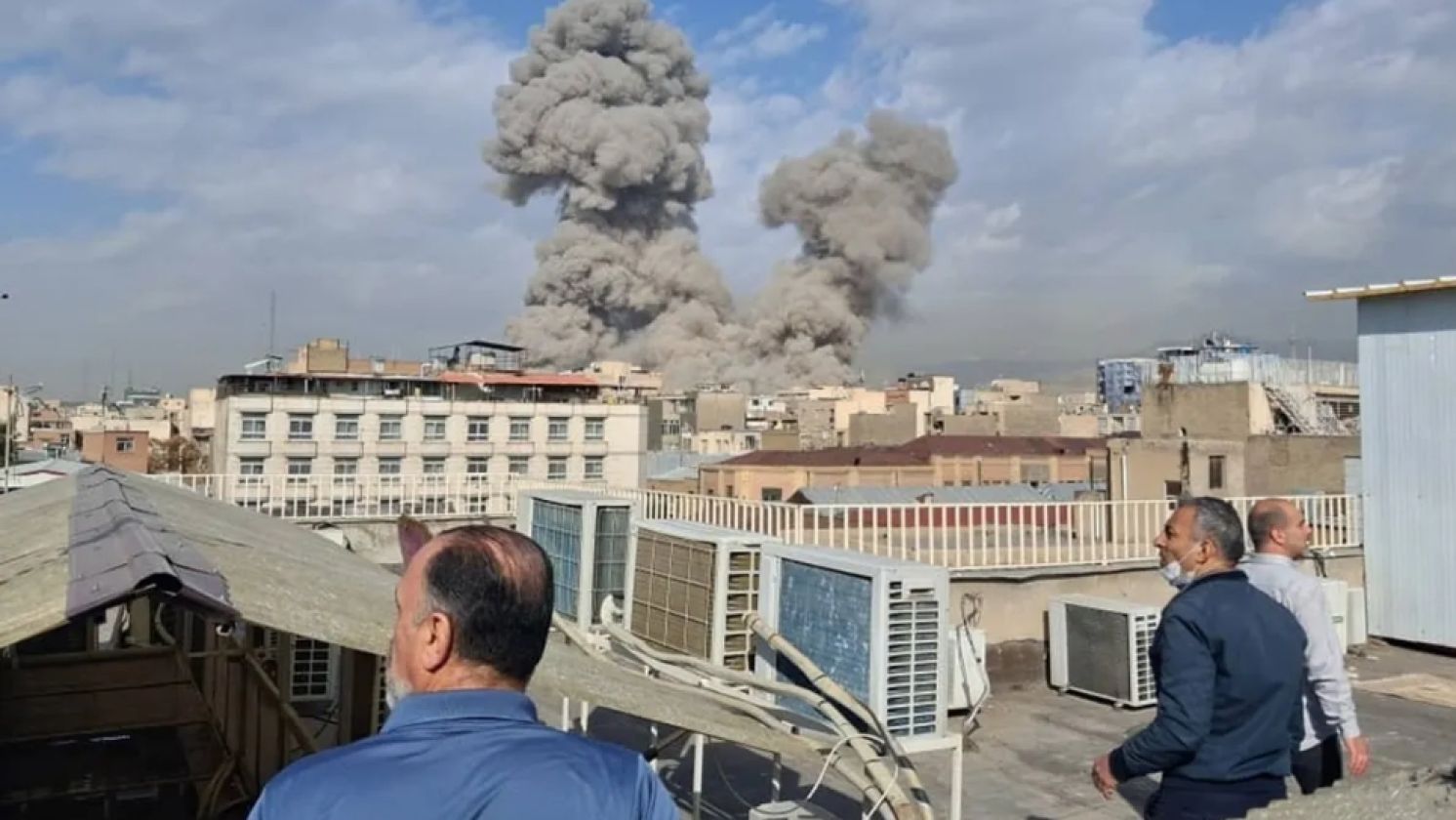
On February 28, the United States launched the most intense military strike since the Gulf War. In coordination with Israel, it carried out airstrikes on Iran under the codename “Operation Epic Fury.” Within 12 hours, more than 500 military targets across Iran were destroyed. Iran’s Supreme Leader Ali Khamenei and senior military officials were also killed in a precise decapitation strike. Iran retaliated by attacking Israeli and U.S. military bases in the Middle East. The already fragile regional order quickly collapsed, pushing global politics and the economy into deeper uncertainty. For Taiwan, thousands of kilometers away, the geopolitical conflict in the Middle East not only poses economic challenges and tests Taiwan’s resilience, but under the broader context of U.S.–China rivalry may also create unpredictable bargaining variables.
This upheaval erupted just before the summit between President Donald Trump of the United States and Chinese President Xi Jinping scheduled for the end of March. As U.S. military forces return to the Middle East, will Taiwan—once the core of the Indo-Pacific first island chain—become a bargaining chip in a major U.S.–China deal? This is the most concerning implication for Taiwan. Geopolitically, heavy U.S. engagement in the Middle East will inevitably shift military resources away from the Indo-Pacific. With limited precision missile stockpiles and carrier strike groups already stretched thin, if the United States must sustain high-intensity operations in the Middle East while responding to potential crises in the Taiwan Strait, resource prioritization will become critical.
Mr. Trump has long believed in the “art of the deal,” placing tangible interests above long-term strategic commitments. Data show China is Iran’s largest crude oil buyer, accounting for more than 80 percent of its exports. Through a “renminbi settlement system,” the two sides bypass U.S. dollar sanctions, making China Iran’s main economic lifeline. This gives Beijing strong bargaining power when the Trump administration urgently needs stable oil prices. In early 2026, Beijing helped Iran replace an entire closed digital system to defend against potential American cyberattacks. Iran’s drone and missile navigation technologies have also long been suspected of containing key Chinese dual-use components. These factors indicate that Beijing holds substantial leverage over the situation in the Middle East. In addition, the strategic alignment among China, Russia, and Iran as Eurasian land powers is significant. Not long ago, the three countries held joint naval exercises in the Strait of Hormuz, further complicating great-power competition.
For Washington, preventing the conflict in the Middle East from turning into a prolonged war of attrition makes Beijing’s cooperation crucial—such as cutting assistance to Iran, helping stabilize oil prices, or committing not to intervene in a Persian Gulf blockade. If the United States wants Iran to fully step back, then it may have to offer key concessions in trade or Taiwan Strait–related issues to this “financial backer” behind Iran.
This is not unfounded speculation. In a two-hour phone call between Trump and Xi in early February, disclosed information suggested the discussion linked Iran and Taiwan Strait issues. Beijing may demand substantive concessions from Washington, such as upgrading the long-standing position of “not supporting Taiwan independence” to explicitly “opposing Taiwan independence,” or asking the United States to delay or cancel key arms sales, including integrated air defense systems. If Washington places Taiwan’s strategic interests on the negotiating table for short-term stability in the Middle East, Taiwan could face its most serious risk of diplomatic isolation since the 1979 severance of diplomatic ties. This is also why the Legislative Yuan must review the special national defense bill promptly and carefully.
At the financial and real economic levels, the impact of a U.S.–Iran war on Taiwan would be immediate and severe. As an island highly dependent on imported energy, Taiwan’s vulnerability is exposed under the threat of a possible blockade of the Strait of Hormuz. With the outbreak of conflict, global risk aversion has surged rapidly, pushing gold prices above a new high of 5,300 U.S. dollars per ounce. This reflects deep investor anxiety over expanding geopolitical conflict. For Taiwan on the front line of the first island chain, capital flows will also become a financial risk. A more direct challenge is rising energy costs. The administration of President Lai Ching-te has announced a 3 percent increase in natural gas prices starting in March. For the energy-intensive semiconductor industry, this directly squeezes profits. At the same time, “imported inflation” is not only an economic issue but also a challenge to social resilience.
In response, the Lai administration quickly activated national security contingency mechanisms and emphasized cooperation with “like-minded countries.” However, diplomatic slogans appear weak in the face of cold great-power bargaining. The storm in Tehran has only begun, and Taipei’s challenges are just starting. This U.S.–Iran war highlights a turbulent era where one move can affect the entire system, international linkages intensify, and great-power transactions become more frequent and escalating. In such an unpredictable environment, maintaining Taiwan’s social stability and long-term development will be a major test for those in power.
From: https://www.chinatimes.com/opinion/20260302003643-262101?chdtv